


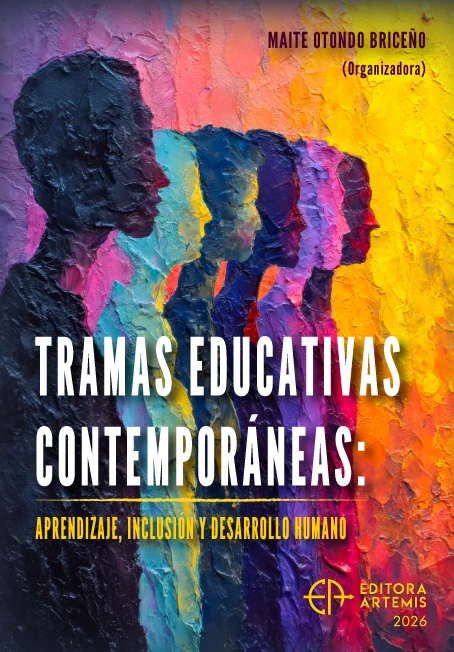
DESAFÍOS EN LA COMPRENSIÓN LECTORA: INFERENCIA, VOCABULARIO Y PENSAMIENTO CRÍTICO. UN ESTUDIO DE CASOS CON ESTUDIANTES DE EDUCACIÓN BÁSICA
La presente investigación tuvo como objetivo evaluar la comprensión lectora en estudiantes de educación básica, considerando las variables de vocabulario, inferencia y pensamiento crítico. Se aplicó un enfoque cuantitativo descriptivo, utilizando instrumentos estandarizados para medir los niveles de desempeño. Los resultados evidenciaron que los estudiantes presentan mayores logros en la comprensión literal, pero dificultades en la inferencia y crítica. Se observó una relación significativa entre el nivel de vocabulario y el pensamiento crítico. En conclusión, se destaca la necesidad de fortalecer estrategias pedagógicas que promuevan la lectura comprensiva y el desarrollo de habilidades cognitivas superiores.
DESAFÍOS EN LA COMPRENSIÓN LECTORA: INFERENCIA, VOCABULARIO Y PENSAMIENTO CRÍTICO. UN ESTUDIO DE CASOS CON ESTUDIANTES DE EDUCACIÓN BÁSICA
-
DOI: 10.37572/EdArt_1707261232
-
Palavras-chave: Inferencia; Lectura; Pensamiento crítico; Razonamiento; Vocabulario.
-
Keywords: reading; vocabulary; inference; critical thinking; reasoning.
-
Abstract:
The objective of this research was to evaluate reading comprehension in elementary school students, considering the variables of vocabulary, inference, and critical thinking. A descriptive quantitative approach was applied, using standardized instruments to measure performance levels. The results showed that students performed better in literal comprehension but had difficulties with inference and critical thinking. A significant relationship was observed between vocabulary level and critical thinking. In conclusion, there is a need to strengthen teaching strategies that promote comprehensive reading and the development of higher cognitive skills.
-
Número de páginas: 36
- Victoria Anaís Galdames Retamal
- Maite Otondo Briceño